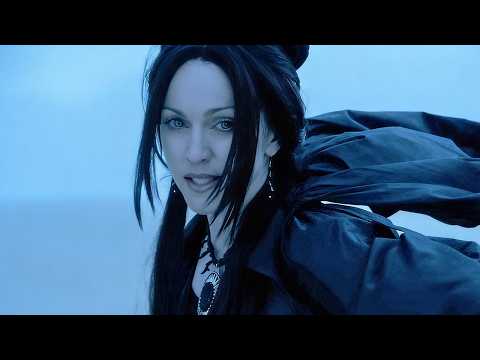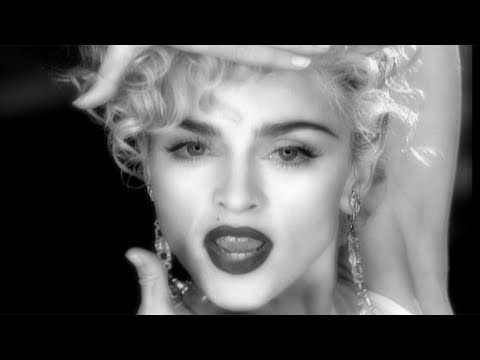


Madonna’s “Papa Don’t Preach” is one of the most debated pop singles of the 1980s, and its official music video turned a three-minute song into a major cultural flashpoint. Released during the True Blue era, the track became a No. 1 hit in the United States and helped prove that pop music could be commercially massive while still forcing audiences to confront uncomfortable social questions.
At its core, the song tells the story of a young woman facing an unplanned pregnancy, and that subject alone made it unusually bold for mainstream radio at the time. For many listeners, Madonna’s performance gave the song emotional weight and dramatic realism, helping her expand beyond dance-pop into a more complex public artist identity. The video reinforced that power by presenting the story in a direct, human way, making it feel less like a novelty and more like a serious cultural statement.
From a positive perspective, “Papa Don’t Preach” contributed real value to music, media, and public debate. It showed that a pop star could introduce difficult topics into mainstream entertainment without losing mass appeal, and that opened doors for later artists who used music videos to address gender, family conflict, youth pressure, and reproductive autonomy. In the broader entertainment industry, the song also helped strengthen the idea that controversy can be a driver of visibility, audience engagement, and long-term cultural relevance.
The song’s social value is especially important because it pushed private and political tensions into public conversation. Some critics saw it as a harmful message about teen pregnancy, while others viewed it as a reflection of personal choice, family conflict, and the complexity of young adulthood. That ambiguity is part of why the song matters: it did not offer a neat moral lesson, and instead forced audiences to wrestle with competing interpretations.
The negative side is equally significant. Planned Parenthood and other critics argued at the time that the song could romanticize teen pregnancy and send a damaging message to young listeners. That criticism remains relevant in a broader media sense, because highly influential pop songs can shape behavior, normalize risky choices, or oversimplify difficult realities when they are consumed without context. In the harshest reading, the track can be seen as using a serious social issue as a tool for shock value and commercial attention.
There is also a deeper cultural problem in how the song was received. Some audiences treated it as a moral statement, while Madonna herself framed it more as a performance than a political directive, which shows how easily pop culture can be projected with meanings the artist may not fully intend. That disconnect is important because it highlights a recurring issue in mass media: a powerful image can influence public opinion even when the underlying message is ambiguous.
Still, the real contribution of “Papa Don’t Preach” is that it proved pop music could be both commercially dominant and socially disruptive. It influenced the music industry’s understanding of how controversial themes can generate attention, shaped the way artists and labels think about public response, and left a lasting mark on discussions about youth, gender, family, and reproductive choice. Whether praised or condemned, it remains a landmark example of how a pop song can alter the cultural conversation far beyond the charts.