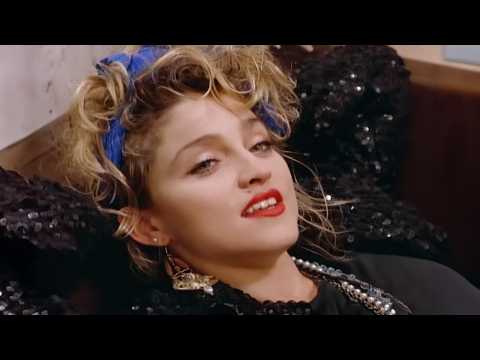


Madonna’s “Like a Virgin” is one of the defining pop statements of the 1980s, a song and music video that transformed her from a rising dance-pop artist into a global cultural force. Released in 1984, the track became a commercial breakthrough, helping establish Madonna as a chart-dominating star and a pioneer of visual pop storytelling at a time when MTV was reshaping the music industry. Its bold mix of playful sensuality, polished production, and confident reinvention made it impossible to ignore, and it still stands as one of the most recognizable songs in modern pop history.
From a positive perspective, “Like a Virgin” contributed far beyond entertainment. It expanded the role of women in pop by showing that female artists could control image, narrative, and controversy on their own terms, influencing generations of performers in music, fashion, performance art, and media branding. The song also helped redefine how music videos could operate as cultural events, not just promotional tools, and that shift continues to shape industries such as digital marketing, content creation, fashion, and global pop culture today. Its long-term relevance is reinforced by its preservation in the National Recording Registry, which places it among recordings considered historically and aesthetically essential to American sound heritage.
Critically, the song’s legacy is not without tension. At the time, many reviewers and audiences saw its sexuality as provocative, even polarizing, and some of that controversy reflected the double standards women faced in the music business and the broader media landscape. That same tension remains relevant today: the song can be read as both empowerment and commodification, depending on the context, because it helped normalize female sexual agency while also proving how marketable controversy can be in commercial entertainment. In that sense, “Like a Virgin” is not only a hit single, but also a case study in how pop music can challenge norms while simultaneously benefiting from the attention those challenges create.
For society and creative industries, its real contribution is unmistakable. It helped set a blueprint for modern pop stardom, where artistic identity, visual branding, and public discourse work together to build lasting influence. It also opened space for later artists to experiment with image, sexuality, and reinvention more freely, affecting music, television, advertising, and even social media-era personal branding. Decades later, “Like a Virgin” still matters because it captures the moment when pop music became not just something to hear, but something to watch, debate, imitate, and remember.