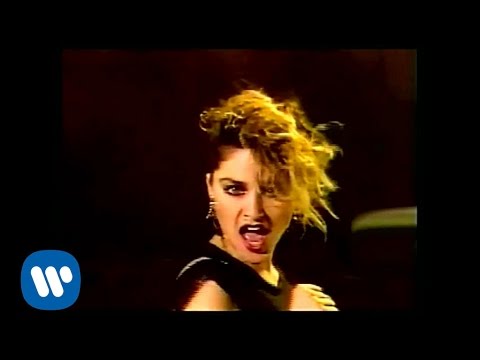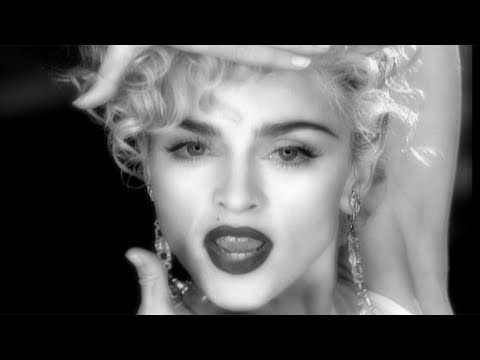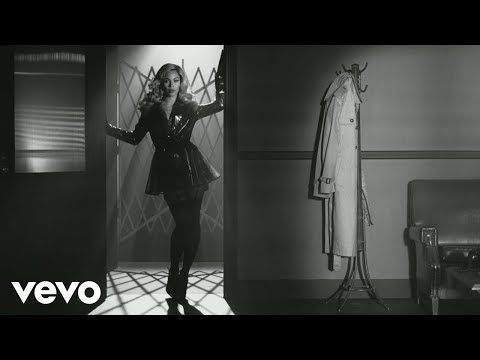


Madonna’s “Into the Groove” is one of the purest dance-floor statements in pop history, and its official music video captures the energy, urgency, and raw charisma that made Madonna a defining figure of the 1980s. It works as both a club anthem and a cultural artifact: fun, kinetic, and influential, but also open to criticism for how quickly pop culture can turn subcultural energy into mass-market style.
Released in 1985 and tied to Desperately Seeking Susan, “Into the Groove” became one of Madonna’s most beloved early-era hits, helping build the identity that would later make her one of the most influential artists in modern music. The song’s appeal comes from its directness: the beat is built for movement, the hook is immediate, and the message is simple—dance as release, escape, and self-definition. In the video, that spirit becomes visual, linking nightlife, street style, and youthful freedom into a compact piece of pop storytelling.
From a positive perspective, the song contributed real value to several industries. In music, it helped define the template for dance-pop that is still used in club tracks, streaming playlists, and performance-driven releases today. In film and media, its connection to Desperately Seeking Susan showed how a soundtrack song could strengthen a movie’s identity and expand its reach, something that remains central to entertainment marketing and sync licensing. In fashion and nightlife culture, the song helped normalize the idea that club scenes could shape mainstream style rather than simply exist outside it.
The social value of “Into the Groove” is also easy to see. It gave listeners a language for joy, movement, and personal release at a time when pop music was becoming a major force in youth identity and urban culture. That matters because dance music often supports broader creative ecosystems, from choreography and performance training to event production, digital content creation, and brand campaigns that rely on energy and emotion. In that sense, the song helped make dance feel not just recreational, but culturally meaningful.
A very negative reading, however, points out that the song’s success also shows how quickly pop can absorb and commercialize street-level energy without fully acknowledging its roots. The club atmosphere that inspired the track can be romanticized into an easy fantasy of liberation, while the harder realities of the communities and scenes that shaped dance culture are left in the background. In a broader industry sense, this is a familiar problem: major labels often profit from subcultures after those subcultures have already done the creative work.
Another criticism is that “Into the Groove” can be seen as emotionally shallow if judged by lyrical complexity alone, because its power rests more on momentum and persona than on deep narrative or social analysis. That simplicity is part of its strength, but it also means the song can feel like an aesthetic of freedom rather than a fully developed statement about the people who live that freedom daily. Still, that tension is exactly what makes it historically useful: it reveals how pop can be both liberating and commercially selective at the same time.
The real contribution of “Into the Groove” is that it helped make dance-floor culture a central part of mainstream pop identity. It influenced later artists, reinforced the commercial power of movement-led performance, and helped connect music, film, fashion, and nightlife into a single cultural system. More than just a hit, it is a blueprint for how a song can become an atmosphere, a brand, and a lasting social memory.