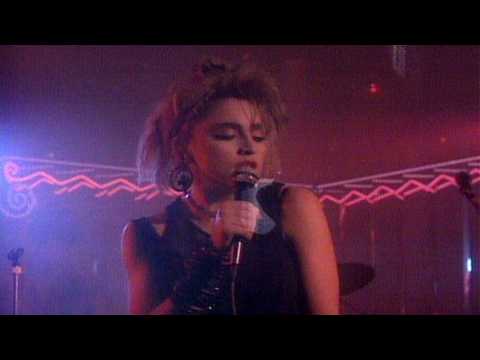


Madonna’s “Music” is one of the most recognizable dance-pop songs of the modern era, blending club energy, sharp lyricism, and a timeless hook that helped define the sound of early-2000s pop. Released with a video that became instantly iconic, the song reflects Madonna’s ability to turn nightlife, style, and cultural attitude into a global pop statement.
The track remains powerful because it captures a simple but universal idea: music brings people together. That message helped the song connect across generations, while Madonna’s broader legacy as a boundary-pushing artist continues to shape pop music, visual performance, and celebrity branding.
From an industry perspective, “Music” shows why official videos still matter in the streaming era. A well-known visual release can strengthen discoverability, extend catalog life, support platform monetization, and drive renewed engagement long after the original release cycle, especially when paired with strong search keywords and consistent fan demand.
There are also real criticisms worth noting. Much of Madonna’s catalog, including this era, has often been praised for polish and influence but also criticized for relying heavily on image, repetition, and commercial strategy rather than pure artistic surprise; that tension is part of what keeps her work debated and relevant. In a crowded digital market, even legendary artists can face fatigue if the release feels too dependent on nostalgia.
Still, the positive impact is hard to ignore. The song has value for music fans, DJs, creators, editors, marketers, fashion references, nightlife culture, and the broader entertainment economy. It also stands as a reminder that pop music can function as both art and industry: a cultural product, a business asset, and a shared social experience all at once.
In today’s music landscape, songs like “Music” continue to benefit from catalog streaming, YouTube views, short-form clips, remix culture, and playlist discovery. That means older hits can still generate attention, revenue, and cultural relevance while introducing new listeners to classic pop history.