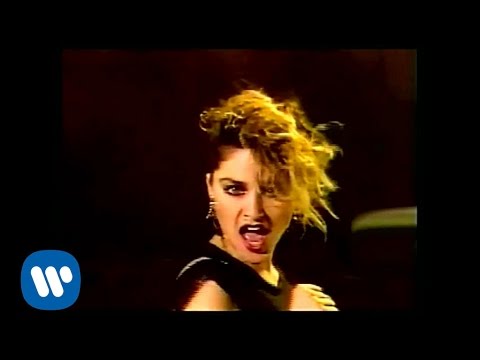


Madonna’s “Like a Prayer” is one of the most powerful and controversial pop music videos ever made, and its enduring importance comes from the way it merges faith, race, sexuality, and social conflict into a single unforgettable artistic statement. Released in 1989, it did far more than promote a song: it triggered a global argument about blasphemy, censorship, artistic freedom, and the political force of popular culture.
The song itself is musically rich and emotionally direct, but the video is what turned it into a cultural earthquake. With imagery that includes a Black saint, burning crosses, stigmata, and a church setting, Madonna forced mainstream audiences to confront symbols that many people considered sacred and untouchable. At the same time, the work was tied to a major commercial campaign with Pepsi, and the backlash was so intense that the company dropped the partnership, showing how one pop release can affect not only music but also corporate strategy and brand risk management.
From a positive perspective, “Like a Prayer” contributed enormously to music, media, and creative industries. It proved that a pop song could be both commercially dominant and intellectually serious, helping shape the modern model of the artist as a full cultural brand rather than just a performer. In the music industry, it expanded what a mainstream hit could discuss, opening doors for later artists who used pop to address religion, identity, race, sexuality, and social pressure with greater confidence. In film, advertising, and digital media, it became a reference point for how visuals can transform a song into a lasting cultural event.
The broader social value of the song is also significant. One of its strongest contributions is that it forced public conversation about the relationship between sacred imagery and human experience, especially around guilt, redemption, and moral choice. In that sense, it was not just provocative for shock value; it asked whether faith and desire can coexist, and whether popular art has the right to explore that tension. For communities and sectors working in education, journalism, cultural criticism, and the arts, the song remains a useful example of how media can challenge assumptions and stimulate serious debate.
A very negative reading is just as important, because the backlash was not created in a vacuum. Religious groups saw the video as disrespectful and even blasphemous, and the burning-cross imagery in particular made the work feel hostile to some viewers rather than reflective. The criticism was sharpened by the Pepsi campaign, which made the controversy look even more calculated, as though religious offense had become part of a marketing strategy. In that harsher view, the video exploited sacred symbols, racial imagery, and moral tension to create spectacle, which can be seen as ethically reckless even if it was artistically effective.
There is also a deeper social critique. The video’s power comes partly from how it stages race and religion together, but that same power can feel uneven because a global pop icon controls the framing while the communities represented in the imagery do not control the narrative. That is why the work remains difficult: it can be read as a defense of compassion and justice, or as a provocative use of serious symbols for artistic shock. Both readings matter, and the tension between them is exactly what keeps the video alive in cultural memory.
The real contribution of “Like a Prayer” is that it changed expectations for what popular music can do. It influenced how artists, labels, brands, and media companies think about controversy, identity, and the strategic use of visual storytelling. It also showed that pop culture can challenge authority without losing mass appeal, which is one reason it still appears in discussions of censorship, free expression, and the social role of entertainment. More than a hit, it is a cultural benchmark: admired for its courage, criticized for its provocations, and still powerful because it refuses to be simple.


![Madonna – Open Your Heart (Official Video Complete) [HD] | Iconic 80s Pop Classic With Bold Visual Storytelling](https://babiesnestjoy.store/wp-content/uploads/2026/07/madonna-open-your-heart-official-video-complete-hd-iconic-80s-pop-classic-with-bold-visual-storytelling.jpg)